A Seismic Shift: Economic Policy is Child Development Policy

A Seismic Shift: Economic Policy is Child Development Policy

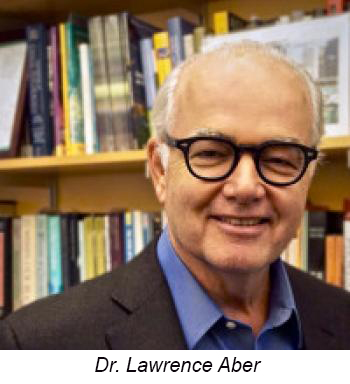
Dr. Aber is an advisor to Mind in the Making and Bezos Family Foundation’s other early learning program, Vroom. He has been a tireless advocate and researcher on poverty-reduction strategies for more than three decades. He was also on the 15-person panel that advised on the groundbreaking 2019 National Academies of Sciences, Engineering and Mathematics report: A Roadmap to Reducing Child Poverty.

On March 11, the American Rescue Plan Act was signed into law. Several elements of this time-limited legislation have been widely heralded as having the potential to cut child poverty in half. Within the bill, the 2021 Child Tax Credit provisions have been described as a “revolutionary in the way the U.S. government regards minors.” In short, this law:

  • Increases the maximum annual credit from $2,000 per child under 17 to $3,000 per child (under 18) or $3,600 (children younger than 6) for 2021.
  • Makes the credit fully refundable. While the 2020 tax credit was partially refundable (the credit offset taxpayers’ tax liability), the 2021 credit is fully refundable. This means the credits can take tax liability below zero and this amount is refunded in cash to the taxpayer.
  • Advance funds to eligible taxpayers on a monthly basis rather than at the end of the year.

To learn more about the research behind this approach, Elyse Rowe, director of communications and Ellen Galinsky, chief science officer at the Bezos Family Foundation sat down with internationally recognized expert in child development and social policy, Dr. Lawrence Aber of New York University. Among his many accomplishments, Dr. Aber previously served as director of the National Center for Children in Poverty at Columbia University and was part of the panel for the National Academies of Sciences, Engineering and Mathematics groundbreaking 2019 report: A Roadmap to Reducing Child Poverty, which was instrumental to the passage of 2021 Child Tax Credit provisions. He’s also an advisor for Bezos Family Foundation’s early learning programs.


Question: You have researched issues related to child poverty for over 30 years. Can you tell us about the role research has played in supporting this new policy approach?

Back in the mid-1990’s, when I was the Director of the National Center for Children and Poverty, one could only dream of drawing upon a set of clear and strongly evidence-based policy ideas that could actually improve the problem of childhood poverty dramatically.

Since then, there’ve been hundreds of researchers in the country, myself included, who have been working on this in one way or another. These studies included: 1) descriptive, “accounting“ studies showing that investments can actually lead to, or at least be associated with, poverty reductions; 2) studies of the effects of poverty on the developing brain, and 3) causal studies showing that if you reduce child poverty, you improve kids’ health and development. It took 25 or 30 years of persistent work to accumulate this kind of research base.

Question: Tell us about the studies you conducted.

I’ve done random assignment experiments testing poverty-reduction strategies like conditional cash transfers, on family income, family poverty and on children’s development. We found that if we reduce poverty, we can improve children’s development. I’ve also done descriptive studies identifying several potential pathways by which low family income and high material hardship affect children’s health and development. We found, for example, that family stress links material hardship to adverse social-emotional outcomes and that family investments link low-income to adverse cognitive and academic outcomes.

These and many other studies in the fields of developmental science, social science, behavioral science, policy science, economics, communication science as well as decades of policy experimentation laid the groundwork so that the National Academies of Sciences consensus report could be written.

Question: You were part of the 15-member expert panel authoring this report. Tell us about its findings.

It basically found three things: The first is that poverty causes child health and development problems. CAUSES. It is not just a correlation. That is a huge scientific conclusion.

Second, we found that current policies reduce child poverty. But you have to measure child poverty in a different, more accurate way than the method used for decades, the “official poverty measure”. The new, more accurate “supplemental poverty measure” takes into account the benefits received by families and the expenses they had to pay like health insurance and child care.

The third thing we found was that the nation could create packages of policy proposals that reduced child poverty and had a positive effect on employment among low-income workers. Historically and politically, some researchers and policy makers made the argument that if you increase cash benefits to families, they’ll quit working. No, they won’t; not if you implement the right packages of policies.

In addition, the National Academies of Sciences report found that if you give families a tax relief credit or allowance per child on a monthly basis, families do not spend this new income on “vices”. Rather, they spend the money on things like food, rent and not accumulating debt. It is income instability, as much as low income, that is damaging to families. With a lump sum paid annually, it is used productively to pay off big debts and/or to make purchases of durable goods that are very expensive, like a new refrigerator or perhaps now, for internet access for their children. The consistent monthly payments, I think, are better for reducing family stress.

Question: Besides the strong evidence base, what other factors may have helped move this policy forward?

I think the last year has shown that an enormous number of people, through no fault of their own, are vulnerable to shocks that turn over their life, their family’s life, and their community’s life. So many people have been driven into poverty through no fault of their own. The pandemic and the resulting economic crises are exogenous to them; they are not caused by them. This seems to have changed the moral calculus for some people about supporting families and communities under severe economic stress.

Question: In a sentence or two, what should families and other people know about this?

Families should know this is a program to especially help people with lower incomes, but it is also a program to help middle-income families too. So, the fact that eligibility for the child tax credit goes up to $75,000 (for single parents or couples earning up to $150,000) before starting to fade out covers the vast majority of families with kids. The child tax credit is the single biggest anti-poverty tool in the new policy, but improvements in SNAP and child care support, and increases in the earned income tax credit and housing subsidies—these are going to have important anti-poverty effects, too.

Question: Now that the law is passed, what comes next?

Job one is optimal and equitable implementation so everybody who is eligible for these benefits gets them.

Planning for making the provisions permanent is job two. These first two jobs are places where philanthropic and advocacy efforts can play a role.

Third, we should not use lifting some children above the poverty line as the only indicator of success. We also have clear evidence from our report that some of these policies do a better job of lifting kids out of deep poverty than they do out of poverty, and other policies should be considered to help families move from near poverty into self-sufficient, economically stable households.

Fourth and finally, by order of Congress, the report focused solely on strategies that could reduce child poverty within 10 years. There are other strategies, like investments in early childhood and improving school achievement—meritorious in their own rights—that could be seen as part of a longer-term child poverty reduction strategy.

Question: A year from now, what would you hope to see?

I would hope that Americans experience the implementation of a child tax credit as something that is good for the whole nation—not only for kids and families experiencing poverty. And that we continue to see consolidation of the notion that poverty is affected by big exogenous factors that can happen to any of us or any community, albeit with differential effects. I hope we are solidifying our commitment to strategies that offer a form of social protection against those big exogenous forces, and that the provisions either become permanent or get negotiated so that they are not degraded, but gain broader political support and are implemented.

This involves an ideological shift in the philosophy of public policy. The child tax credit, the child poverty reduction provisions, are both a contributor and a benefactor to that ideological shift.

I hope that we become more evidence-based in our policy debates, but also consistent with a different moral and ethics, too. It is not just the science; it’s the science interpreted in the context of certain human and social values that are critical.

Dr. Lawrence Aber
Mind in the Making: 10 Years of Keeping the Fire Burning in Children’s Eyes

Mind in the Making: 10 Years of Keeping the Fire Burning in Children’s Eyes

Not all adventurers wear rugged clothes and pith helmets; some carry laptops, notebooks and pens. But all are driven by the same impulse: They have a question and they won’t rest until they have an answer that satisfies them. “What’s over that mountain?” “Where does this river go?”

In the case for Ellen Galinsky, author of more than 100 books and reports and a self-described “research adventurer,” the driving question in 2000 was, “How do we keep the fire burning in children’s eyes?”

Some people like their adventure exploring uncharted territory, Galinsky says, but for her, research into critical societal questions is the call of the wild. Twenty years ago, she was doing field research in preparation for a study on youth and learning when she discovered that while kids from the sixth through 12th grade could talk at length about “not learning,” few could talk with much passion or insight about times when they were learning.

“I interviewed incredible groups of children representing all kinds of diversity,” Galinsky says. “Children from low-income, high-income and middle-income families, from public and private schools, charter schools, living in inner cities, suburbs, rural areas. Across the board, few of them had a real excitement about learning. There weren’t really engaged in learning.”

Knowing that babies are born learning—wanting to see, to taste, to touch, to explore their worlds—Galinsky was haunted by the question, “What happened to that fire?”

For 10 years, she and her colleagues, including award-winning filmmakers from New Screen Concepts, pursued that inquiry by interviewing and filming leading child development researchers. After a few years, she began to see common threads not only in what sapped children’s engagement in learning, but also in the elements that fostered it. These findings were called by different names in different fields, but Galinsky’s training as a researcher and passion for conducting studies led her to recognize unmistakable patterns.

Out of her analysis of the work of nearly 100 researchers, she saw the importance of the “how of learning”—how a certain set of brain functions help people thrive and learn. The even better news she observed is that these brain functions (called executive functions) involve skills that can be developed and nurtured.

In 2010, this inquiry became a pioneering book—”Mind in the Making: The Seven Essential Life Skills Every Child Needs”—that has become a staple for teachers, parents, pediatricians and anyone with a personal interest in early childhood. As Drs. Spock and T. Berry Brazelton were to previous generations, Galinsky’s “Mind in the Making” is a seminal resource for those wanting to see children do well in the world.

The engine of “Mind in the Making’s” success is not only its rock-solid research, but its conversational, relatable language, filled with storytelling, individual examples and questions designed to provoke thought and discussion. Galinsky’s foundation as a teacher and educator (25 years on the faculty of the prestigious Bank Street College of Education before co-founding Families and Work Institute) shows in her personable, playful approach to the information, written in a way that doesn’t guilt-trip families and professionals but leads them into a thoughtful consideration of the ideas she’s presenting.

While Galinsky might have paused to take a deep, relieved breath once she had finished writing the book, she knew this was the starting point, not the finish line.

“Even after the decade of research, it takes nine months to birth a book,” she says. “After I got through the nitty gritty part of writing and with my colleagues, checking, double-checking and triple-checking the footnotes and quotes, I sent the manuscript out to 20 to 30 people I really admired. I was terrified, totally terrified, because I had taken their research and woven it into a larger theory and I worried that they might not like it. But I also wanted to figure out with them and others how we could turn this theory and the research behind it into action.”

To her great relief, the responses were “incredibly positive.” From that starting point, “Mind in the Making” became as much a movement as a book.

“I didn’t want this to be a book that just sat on the shelf,” Galinsky says. “I wanted the knowledge to be useful and usable for people. I wanted to put forth a common language that people could use to understand behavior in systematic ways. And I wanted this to be knowledge people could act on.”

Take a Deep Dive into MITM!

“As soon as the book was published, my colleagues and I were doing 100 things with ‘Mind in the Making,’” she says. “At Families and Work Institute (the non-profit she co-founded in 1989), we raised funds from 23 foundations to create materials—a series of videos called Experiments in Children’s Learning, Book Tips in partnership with First Book and Skill Building Opportunities—tip sheets on turning discipline issues into opportunities to promote life skills. With funds from the Kellogg Foundation and others, we developed learning modules for community leaders and then with additional funding, adapted them for museum and library educators and for healthcare professionals. We also gave small grants to people in communities all over the country who were already using Mind in the Making for projects to expand their impact.”

In 2016, Mind in the Making became a program of the Bezos Family Foundation to share the science of children’s learning even further through in-depth training and action-oriented materials. At the Foundation, where Galinsky served as Chief Science Officer, the Mind in the Making team—including Erin Ramsey, Jennie Portnof, Marline Griffith and Brandon Almy—continued to create new materials. Importantly, they created online Modules with Cultivate Learning at the University of Washington.

Galinsky says the dog-eared, scribbled on copies of her book, filled with Post-Its and marginalia make her happy. “It feels as if the reader and I have had a conversation. She continues, “When you write a book, it’s a very solitary activity. It doesn’t take a quarantine to quarantine anyone who’s writing a book. So, seeing the way people are actually using the book is gratifying. And the fact that we’ve reached the 10th anniversary is simply incredible to me.”

Significant Impact: Getting the Science off the Shelf and Into the Hands of Users

One of the first big impacts of the book was that the National Association for the Education of Young Children obtained the rights to publish 25,000 copies of “Mind in the Making” for teachers. A second big impact was a partnership with the Institute for Educational Leadership in implementing training and sharing materials with community schools in six different parts of the country.

“Teachers and principals don’t necessarily learn child development information,” she says. “They learn a lot about pedagogy (the principles and methods of instruction), but they learn less about child development. And they want that—they want to know why children act and develop the way they do. So, we found this huge resonance for ‘Mind in the Making’ in schools.”

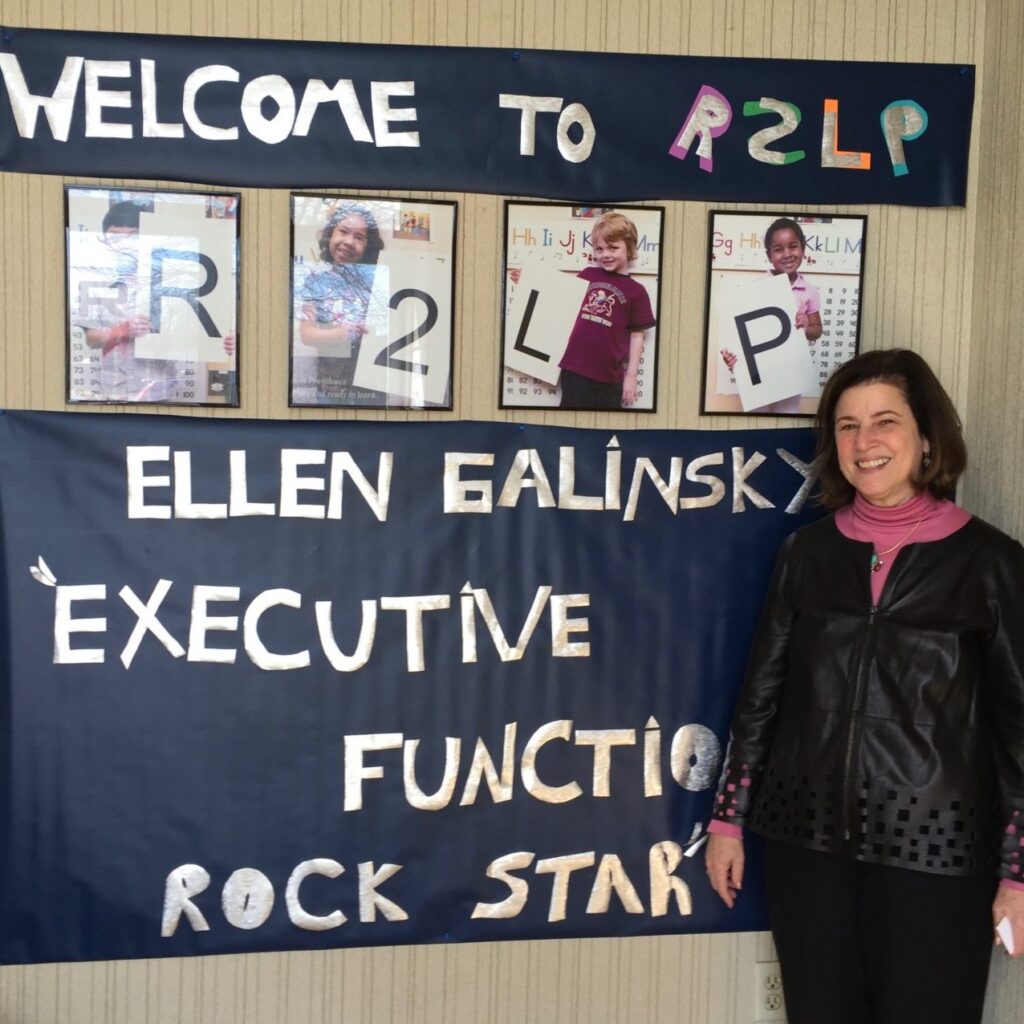
“There are wonderful repercussions of our work with community schools,” she says. One repercussion was meeting Erin Ramsey who had been overseeing the Mind in the Making work in Evansville, IN. Ramsey joined the Mind in the Making team in 2012. “Erin is one of the most talented trainers and materials-creators I have ever met,“ says Galinsky.

Ready to Learn Providence

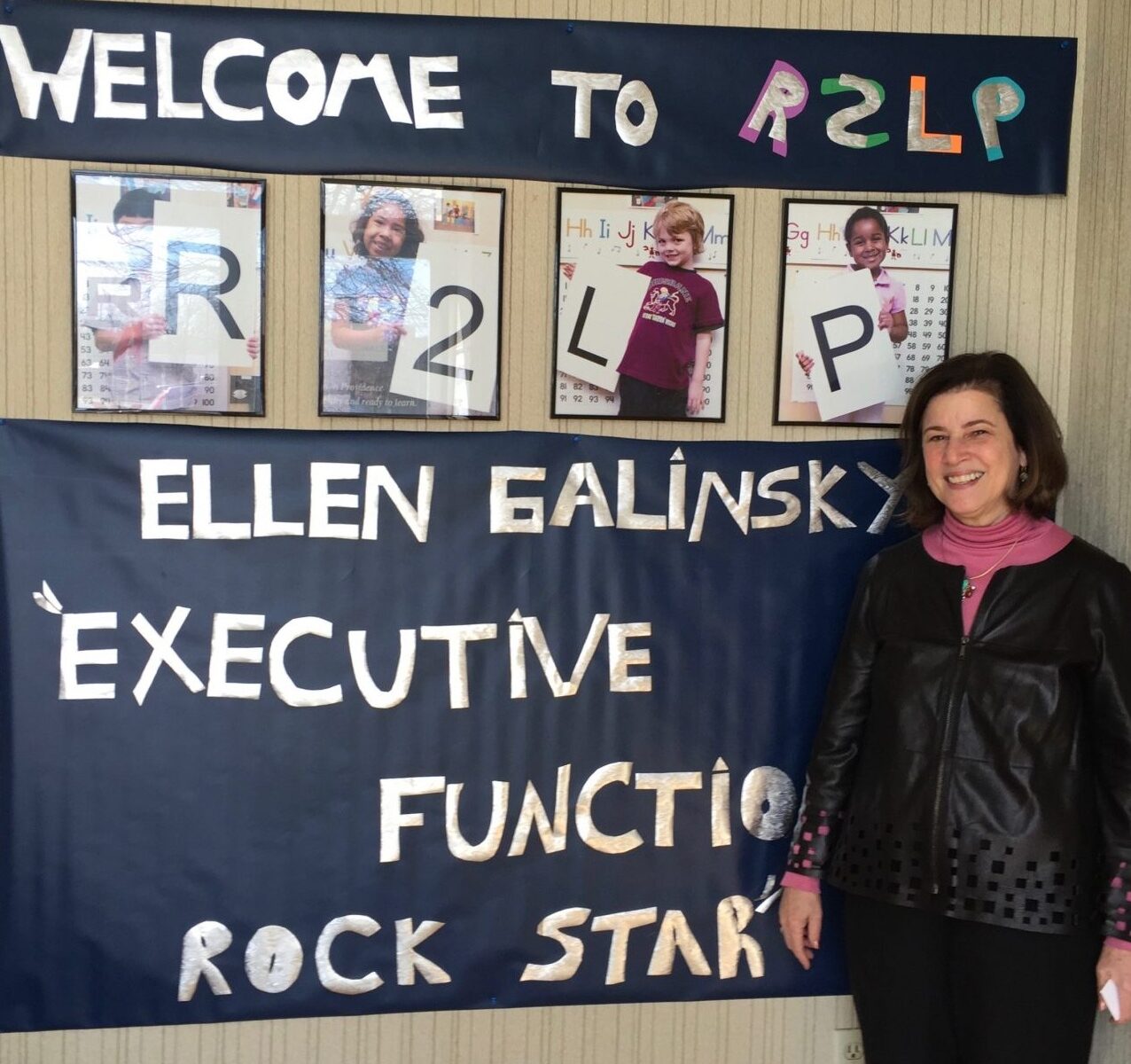
Another repercussion was a U.S. Department of Education’s Investing in Innovation grant to Ready to Learn Providence that expanded their community school work. Through this grant, Ready to Learn brought Mind in the Making, (which they describe as “a powerful learning experience for adults about how young children develop executive function skills”) to all 22 elementary schools in Providence, training close to 2000 mothers, fathers, grandparents and other family members, and more than 400 professionals.

“Mind in the Making was a transformative experience for so many members of the Providence school community,” says Leslie Gell, Director of Ready to Learn Providence. “Over our four-year project, external evaluators found that families reported significantly less authoritarian views toward parenting, which research shows leads to higher executive function skills in children. They also found that parents reported more positive views about the importance of their involvement in the schools, expressed more confidence in their ability to help and support their children in school, and reported growth in the social, emotional and cognitive development of their children.”

Mount Sinai Parenting Center

In 2019, the Mount Sinai Parenting Center in NYC, in collaboration with the Mind in the Making team, released Keystones of Development Curriculum, a curriculum they had worked on together for a number of years. This online curriculum for pediatric residents shows how to promote brain development and strengthen parent-child relationships within routine well-child visits. Dr. Carrie Quinn, Executive Director of the Mount Sinai Parenting Center, just announced that 101 programs, 2800 residents, 641 faculty members and 298 champions are now enrolled—reaching almost half of all of the pediatric residency programs in the United States!

National Head Start Association

The Mind in the Making and Vroom teams at the Bezos Family Foundation are especially proud of their collaboration with the National Head Start Start Association. “We have a dream of creating a Mind in the Making Nation,” says Yasmina Vinci, executive director of the National Head Start Association. “In Head Start’s 55th year of getting children ready for school and life, we will accelerate and scale the awareness and impact of strategies for promoting executive functioning among Head Start’s more than 270,000 staff members across 1,600 grantees in communities across the country.”

Ellen Galinsky discusses how a focus on “trauma informed care” in early learning is shifting to “asset informed care.” And that process starts with looking at children in terms of their strengths.

In looking at her own growth over her years of researching and writing “Mind in the Making,” Galinsky says delving into the research itself was full of surprises and questions leading to more questions. She was especially captivated by the fact that babies’ brains appear to be wired to help them to learn about the world in specific ways, and that this learning begins long before babies can be taught this kind of knowledge.

In “Mind in the Making,” Galinsky wrote, “babies’ capacities are truly amazing, but even more amazing is that we now know how to take advantage of these capacities to help babies and their older siblings develop the essential life skills to serve them throughout their lives.” And that’s what Galinsky and the Mind in the Making team are so proudly doing, day in and day out at the Bezos Family Foundation.

Even as Mind in the Making celebrates its 10th anniversary and continues to expand society’s knowledge base about young children’s behavior and development, more questions have introduced themselves to Galinsky’s inquiring mind.

“I’m continuing to pursue questions related to ‘Mind in the Making,’” she says. “But my big adventure now has been looking at adolescent development, including conducting several studies of adolescents and their parents. In addition, through the Bezos Family Foundation, I’ve gone out with filmmakers Lisa Rinehart and Jennifer Hamblett and filmed more than 35 leading researchers on adolescents’ development around the world.”

Galinsky is currently writing a book about adolescence and hopes to create all kinds of resources, including materials to help adolescents understand their own development. She says, “I feel that I am unlocking new knowledge of how to help adolescents and the adults in their lives thrive.“

A worthy pursuit for Ellen Galinsky, adventure researcher—and the adolescents, parents, educators and others whose lives will be altered by this handiwork.

MITM: Creating Cultural Ripples of Early Learning + Brain Building

Researcher and author Ellen Galinsky likens the aftereffects of publishing a book to the ripples created by tossing a rock in a still lake. The size of the rock determines how far the ripples will reach. In the case of her “Mind in the Making: The Seven Essential Life Skills Every Child Needs,” it was mighty big rock.

  • Since Mind in the Making launched in 2010, more than 100,000 people in communities across the U.S. have participated in its training and learning modules. A survey of 1,750 respondents who attended the trainings revealed that 98 percent reported that the experience helped them improve their skills with children and learn new approaches and knowledge.
  • The MITM team has reviewed more than 2,000 studies and interviewed and filmed more than 160 leading researchers, incorporating their work in MITM training and tools
  • MITM has offered more than 300 presentations to national, state and community groups interested in education, workforce development, parenting and brain science; a half-million+ readers have downloaded MITM’s more than 100 free resources that help bridge the gap between knowledge and practice.
  • Vroom is a global program of the Bezos Family Foundation that offers free, science-based tips and tools to help caregivers and parents give children a great start in life. Communities, organizations, brands and media have worked together to reach parents where they are: community-based health clinics, refugee camps, children’s museums and other essential settings. These free tools that the Mind in the Making team helped create are offered in English and Spanish, and show how little changes can make a big impact on growing brains.
  • To see how MITM has been at the center of magical mind-building events and programs, see Early Learning Nation’s extensive examples.

Ellen Galinsky discusses how a focus on “trauma informed care” in early learning is shifting to “asset informed care.” And that process starts with looking at children in terms of their strengths.

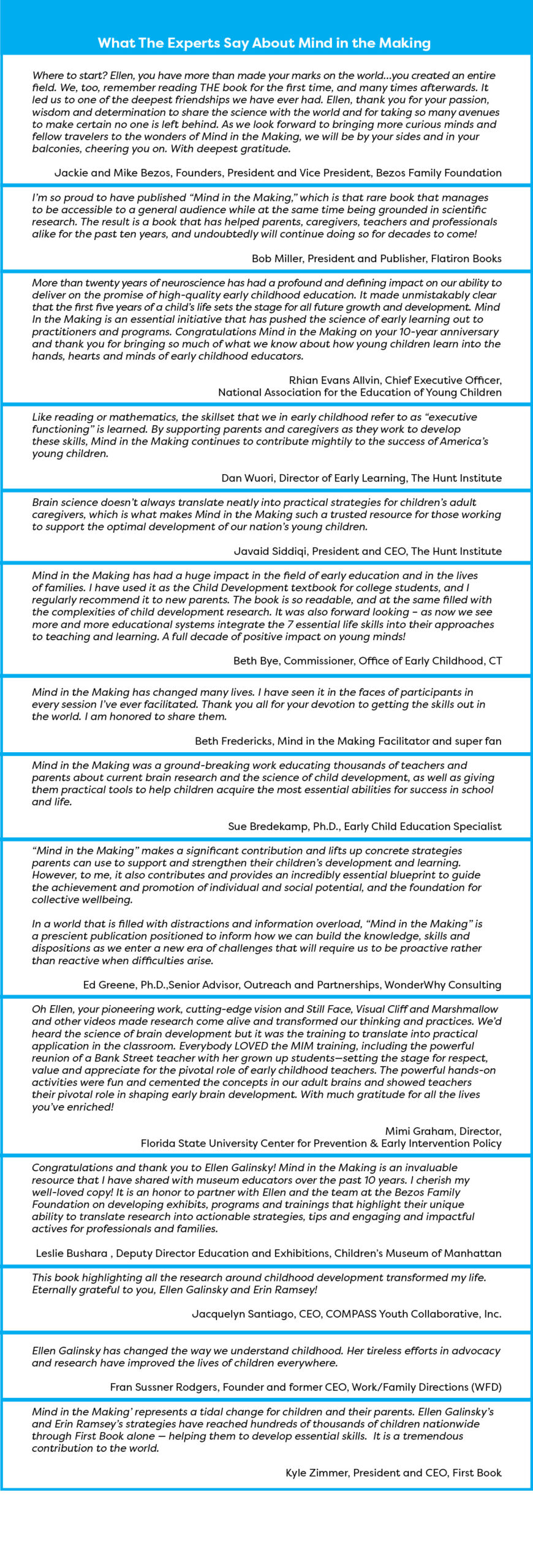
What The Experts Say About Mind in the Making

Reprinted from Early Learning Nation

Mind in the Making is Joining Families & Work Institute

Mind in the Making is Joining Families & Work Institute

A Letter from Ellen Galinsky, Founder of Mind in the Making:

On September 30, 2022, Mind in the Making is joining Families and Work Institute (FWI).

Given the pandemic and rapidly changing landscape, this move presents an important opportunity both for the MITM team and me personally to take on new research on the major issues of our times as well as on early childhood and youth voice.

The transition to FWI—a nonprofit, non-partisan research organization and think tank I co-founded in 1989 to focus on the changing workforce/workplace and changing families and their children—will also allow me to expand my own research projects around civic science.

One of the first endeavors is a partnership with the University of Minnesota. Starting in fall 2022, I will serve as co-director of a forthcoming Civic Science Center alongside Philip David Zelazo, PhD, Nancy M. and John E. Lindahl Professor, Institute of Child Development, University of Minnesota. The new Center aims to be the “go to” place for understanding and promoting the development of executive function skills and related essential life skills in children, adolescents, parents and practitioners who work with them.

“Ellen Galinsky has a distinguished history of working directly with communities to address some of society’s most pressing problems,” said Zelazo. “Together we will coordinate research, policy and practices to close opportunity and achievement gaps by helping children and youth succeed in school and in life.”

I am proud of the work we’ve accomplished during the past six years at the Bezos Family Foundation. Our team forged new state and national partnerships to share the science of early learning, created new actionable resources to promote executive function-based life skills within children and adults and developed soon-to-be-released digital learning modules that will greatly increase the accessibility of our early childhood training.

As Mike Bezos, Vice President of the Bezos Family Foundation shared, “Ellen Galinsky and the entire MITM team have been valuable contributors to our investments in the science of learning and the experiences that youth need to thrive. The Foundation remains as committed as ever to fueling and amplifying research. We look forward to exploring opportunities to work together with MITM in the future where our individual missions intersect.”

Please stay updated on our work as it evolves by following us on Facebook and Twitter!

With gratitude,

Ellen

Author, Mind in the Making and The Breakthrough Years (forthcoming)

Interested in Mind In The Making Training?

Find out more!

Your support will allow us to continue to deliver our high-quality research, publications, and services to you. Families and Work Institute is registered as a 503(c)(3) non profit organization
EIN 13-3560042.

To provide a Corporate Gift or have Donation questions – Please email donate@familiesandwork.org